
parkrun.
It is always lowercase, even at the start of a sentence.

For a little over a year, I have been volunteering at our local parkrun event.
For those of you unfamiliar with parkrun, it is a free, largely volunteer-organised weekly event where people run or walk a 5km (3-mile) course. It began in 2004 at Bushy Park in the UK, and now runs in over 2,000 locations across 26 countries.
My volunteering began after my partner, Emma, started running our local 5k circuit. I wanted to be involved, but due to a dodgy knee or two, I am unable to run. Well, that’s my excuse anyway.
While I have volunteered in a number of roles, from marshal to run director, most weeks I can be found around the course as the photographer.
I take the photos at our local weekly event, between 8 and 9am most Saturdays. I sort the keepers from the rest and edit them during the day. I post them to the group’s Facebook page sometime in the early afternoon. It is unpaid work, and I am happy to do it as it gives me lots of practice in the field, as well as helping refine my editing technique.
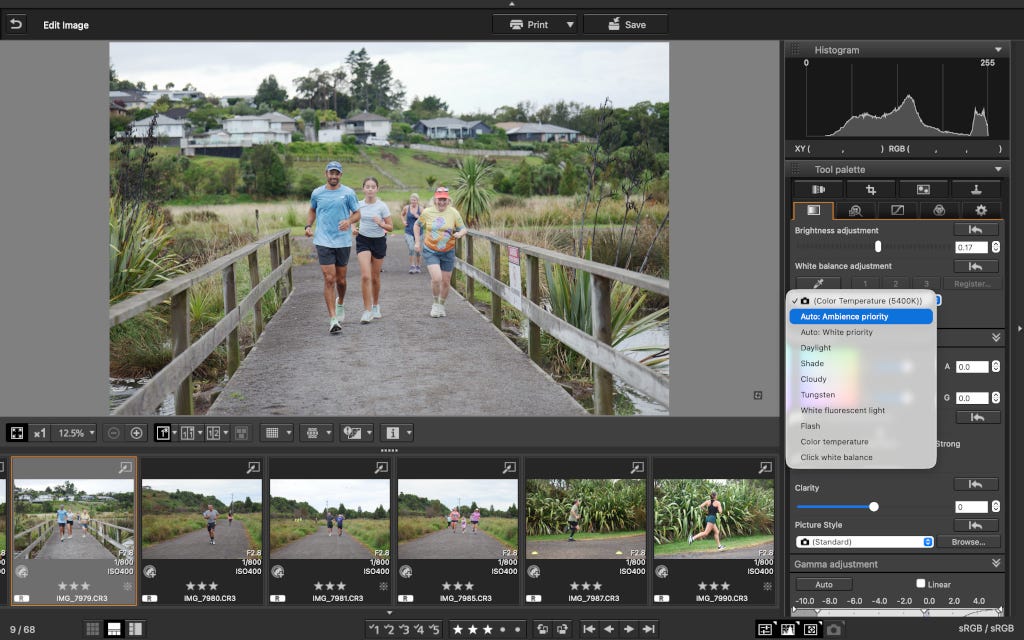
The editing process I use for the parkrun photos is not as detailed as the process I use for other jobs. I usually post between 80 and 150 images, depending on how many runners we get, so the process needs to be somewhat streamlined. I tend to make fewer adjustments, and I don’t bother adding metadata as Facebook strips this information when posted.
When I first started taking the parkrun photos, I was so fixed on trying to get as close as I could to the subjects with my zoom lens that I frequently cut off their feet in the images. It took me longer than it should have to get over that habit. If I took the photo at a shorter focal length, I could always crop in during the editing process to achieve a better composition, but you can never zoom out to recover features that were outside the frame when you took the picture.
People were sometimes wary of having their photo taken, and the parkrun organisation has some rules about photographing the events. Any runner can signal that they don’t want their photo taken by crossing their arms in front of their face or across their chest. It’s not so much that you can’t take the photo as it’s often too late, but you shouldn’t post the person’s image.
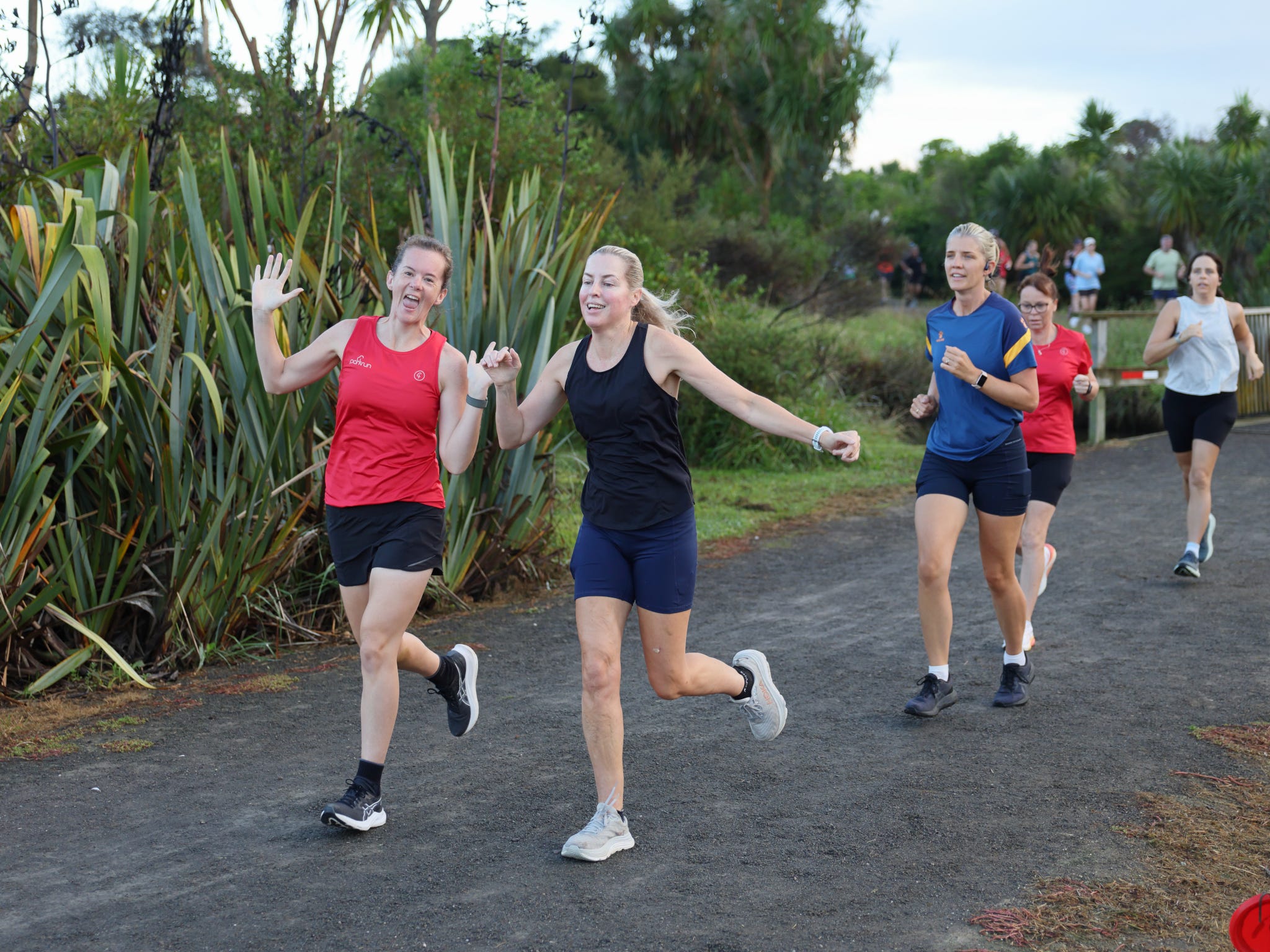
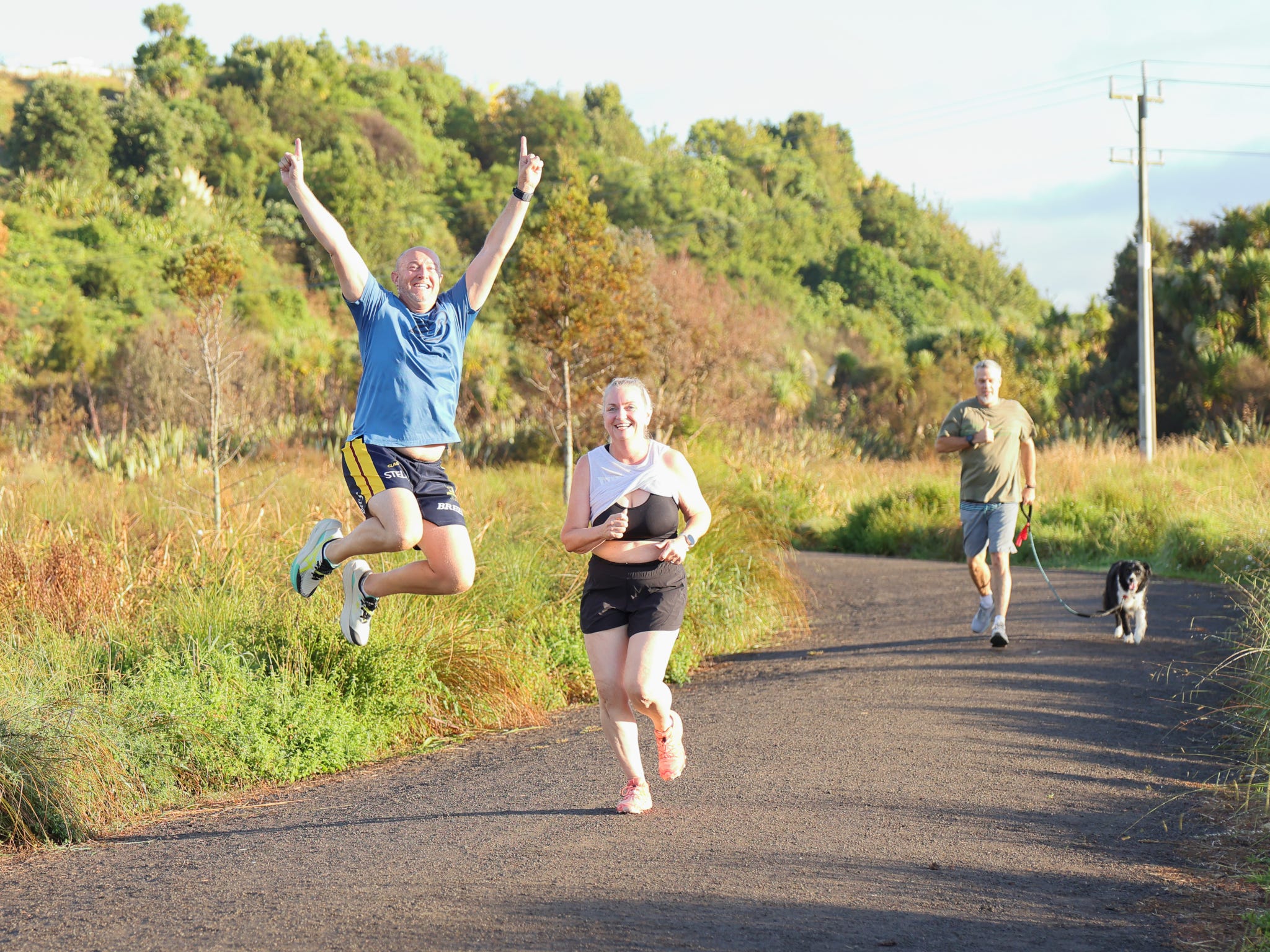
As time has gone on, this has been less of an issue. As you get to know people, and they trust your work, they are less concerned about being photographed, with many people now waving, jumping or posing as they run past.
I often use a burst mode to capture a sequence of shots as people run by, and when selecting which image to use, I will have a few to choose from. Sometimes people are not at their most glamorous when they are running, so picking a more flattering (or perhaps a less unflattering) image is often appreciated.
Early on in my parkrun experience, I used to spend way too much time agonising which of 2 or 3 similar shots was the better one to post. Was the pose better, the hair, the smile? It took me longer than it should have to understand that no one will care. I am only going to present one of the images, and viewers won’t know about the images that were rejected. I was getting lost in the weeds of minute details that didn’t matter to anyone but me.
Another challenge can be low light in the winter months. With a shutter speed needing to be 1/800 or 1/1000s in order to freeze the motion of runners, even with a low aperture lens, I sometimes need to push up the ISO.
I sometimes feel guilty posting images with what I perceive is a little too much grain, but the reality is that most people will be looking them on a computer screen or more likely a phone screen
Curiously, when I post the photos, the images that I think are technically well-composed and tell a story often get few, if any, likes, and many of the ones I think are just ok get plenty of likes. I used to get quite confused by this, but then I realised that parkrun is a social event, and people are liking the pictures of people they know. What I think are technically great pictures are not necessarily popular. It’s more about the people in it, and it took me a while to understand that people aren’t judging the technical merits of the shot.
Despite the apparent lack of appreciation for the technically better images, people often say to me that they really like the images I post.
That in itself is enough to keep me part of the parkrun community
Wishing you good light, open eyes, and moments worth noticing.
Thank you for your time and take care…
Steve.
If this resonated, pass it on to someone who sees photography as more than just pictures.
Links:
Website: ChuffedBadger Photography
Instagram: ChuffedBadger
Beginners Course: ChuffedBadger on Ko-fi